Mostrando entradas con la etiqueta Cagliari. Mostrar todas las entradas

lunes, 30 de mayo de 2022

The Multimedia Archive of the Image opens in Cagliari

Great news for comics and animation fans: on May 12th in Cagliari the Multimedia Archive of Image (Archivio Multimediale dell’Immaginario, AMI) was presented to the press. Produced by the fervent activity of International Comic Center (Centro Internazionale del Fumetto, CIF), the AMI archive gathers an incredible amount of multimedia material, most of which is related to the comic world: magazines, series, comic books, graphic novels and essays on the history and characteristics of the visual medium. 

A room in the AMI archive
(source: falzarego35.eu)

You can find complete collections of Corriere dei Piccoli of 1940 and from 1960 to 1972, the first editions of the Supereroi issues by Editoriale Corno, the anastatic reprints, that is accurate reproductions of the original copies, of magazine Linus from 1965 to 1980 and the complete collections of anthological magazines Totem, Comic Art, Pilot and Eureka. It also features a section of international comics from all over the world, such as China, Russia, Brazil, Argentina and many others. Regarding animation, there are essays and movies on DVD, together with documentation on television, multimedia material and literary essays. The heritage of secondary material isn’t lacking: stickers, playing cards, tarots, illustrated and satirical magazines from mid 19th century to the 1960s such as Illustrazione Italiana, Illustrazione Popolare, Lo spirito Folletto, Il Giornalino della Domenica and photo story books such as Avventuroso Film.

This archive is inside the International Comic Center, in the library hub Polo Bibliotecario Falzarego 35 with other five socio-cultural realities: the Center for Documentation and Women Studies, the LGBT and Queer Media Library, the Documentation Center for performing arts Marco Parodi, the Performing Arts and Crafts Library and the Center of multimedia documentation fo the humid areas. The library hub headquarters are in Via Falzarego 35 in Cagliari, which for fifty years (from the early 1950s to the early 2000s) hosted one of the city’s most important primary schools, Edmondo De Amicis school. From 2018 it hosts the International Comic Center, adding other cultural activities through the years. 

In the presentation of the AMI archive, attended by Cagliari’s Councilor for Culture Maria Dolores Picciau and Pasquale Mascia, coordinator of the Office for the Historical Archive and Libraries and of the Municipal Library System, writer and director Bepi Vigna explained:

“Our International Comic Center collects material and traces of the popular narrative production that fostered our imagination. Basically, we propose a new way to approach history involving everyone. Because we are what we dreamed, we are the books we read, the films we watched, the music we listened to. We are the games we played as children… We are our memories. Through comics and books, in the pages of illustrated magazines, in films and tv series, in songs we loved, we can find what can help us understand ourselves better and estimate the world changes we went through and understand its value system.”

Presentation of the AMI archive with Pasquale Mascia, Maria Dolores Picciau and Bepi Vigna
(source: falzarego35.eu)

Bepi Vigna, director of the International Comic Center, was born in Baunei (Ogliastra, Sardinia) in 1957. He worked for many years as a lawyer until the founding in Cagliari of the group Bande Dessinée with Antonio Serra and Michele Medda. The three wrote comic scripts for Sergio Bonelli Editore, and in 1989 they proposed to the editor Nathan Never, SBE’s first sci-fi series, which debuted in 1991 and is currently quite popular in Italy and in many other countries. In 1995 one of the series’ secondary characters became the protagonist of her own spin-off, Legs Weaver, published from 1995 to 2005. In 1990 he published with the newspaper L’Unione Sarda the book Luoghi ed esseri fantastici della Sardegna, written with Giampiera Caprolu on the legendary creatures of Sardinia. In 1993 Vigna founded in Cagliari the region’s first school of comics, which now is part of CIF. He is also the author of essays on comics, cinema and popular traditions, short stories and novels. In 2006 he started directing the Sardinian magazine of comic and illustration Backgroiùund and the cinema magazine Teorema. He directed several short films and documentaries, such as Imago Sardiniae, a documentary in three parts about the history of Sardinian comics in the 20th century. 

Part of the archive is dedicated to Sardinian comics: the cataloging of material recently started and for each author a personal box is prepared. The curator of the census of documents Elisabetta Randaccio states:

“In the boxes where the works of Sardinian artists are cataloged you can find great surprises: not just publications, newspaper articles, but also painting works, original scripts for comics and graphic novels in an extraordinary overview of Sardinian creativity in comics. Cataloging through boxes and cards facilitates very much consultation and study of the materials.”

The archive’s material comes from relations with national and international institutions such as the Institut National des Beaux-Arts and the Forum International de la Bande Dessinée de Tétouan (Morocco) and the literary festival Semana Negra de Gijón (Spain) among many others. Furthermore, great contributions come from donations of private collectors, such as former professor, author and musician Fulvio Caporale, honorary associate of the Center: among this material are an illustrated French newspaper from 1789 and a book of Roman Smorfia from 1810 with late 18th Century engravings. This archive will be an incredible resource for aficionados and students for their personal research and essays, a testament of Italian popular culture. 

You can visit the Multimedia Archive of Image by prior appointment by writing to the email address centrointernazionalefumetto@gmail.com.

viernes, 27 de mayo de 2022

Apre l'Archivio Multimediale dell'Immaginario a Cagliari

Ottima notizia per gli appassionati di fumetti e animazione: il 12 maggio a Cagliari è stato presentato alla stampa l’Archivio Multimediale dell’Immaginario. Prodotto dell’attività fervente del Centro Internazionale del Fumetto (CIF), l'archivio AMI raccoglie un’incredibile quantità di materiale multimediale, la cui maggior parte è relativa al mondo del fumetto: riviste, collane, albi, graphic novel e saggi sulla storia e le caratteristiche del medium visivo. 

Una sala dell'archvio AMI
(fonte: falzarego35.eu)

Si possono trovare collezioni complete del Corriere dei Piccoli del 1940 e dal 1960 al 1972, le prime edizioni dei numeri di Supereroi dell’Editoriale Corno, le ristampe anastatiche, ovvero riproduzioni fedeli delle copie originali, della rivista Linus dal 1965 al 1980 e le raccolte complete delle riviste antologiche Totem, Comic Art, Pilot ed Eureka. Inoltre è presente anche una sezioni di fumetti internazionali da tutte le parti del mondo, come Cina, Russia, Brasile, Argentina e molte altre. Per quanto riguarda l’animazione, sono disponibili saggi e film in DVD, insieme a documentazione sulla televisione, materiale multimediale e saggistica. Non manca il patrimonio di materiale secondario come figurine, carte da gioco, tarocchi, riviste illustrate e satiriche dalla metà dell’Ottocento fino agli anni ‘60 del Novecento come Illustrazione Italiana, Illustrazione Popolare, Lo spirito Folletto, Il Giornalino della Domenica e anche fotoromanzi come Avventuroso Film

Questo archivio si trova all’interno del Centro Internazionale del Fumetto, nel Polo Bibliotecario Falzarego 35 con altre cinque realtà socio-culturali: il Centro di Documentazione e Studi delle Donne, la Mediateca LGBT e Queer, il Centro di documentazione per lo spettacolo Marco Parodi, la Biblioteca Arti e Mestieri dello Spettacolo e il Centro di documentazione multimediale delle zone umide. Il Polo Bibliotecario ha sede nell’edificio in Via Falzarego 35 a Cagliari, che per cinquant’anni (dai primi anni ‘50 ai primi anni 2000) ha ospitato una delle scuole elementari più importanti della città, la scuola Edmondo De Amicis. Dal 2018 ospita il Centro Internazionale del Fumetto, aggiungendo altre attività culturali nel corso degli anni.

Nella presentazione dell’archivio AMI, presenziata dall’assessora alla Cultura del Comune di Cagliari Maria Dolores Picciau e Pasquale Mascia, coordinatore dell'Ufficio Archivio storico e Biblioteche e del Sistema Bibliotecario Comunale, l’autore e regista Bepi Vigna ha spiegato: 

“Il nostro Centro Internazionale del Fumetto raccoglie materiali e tracce della produzione narrativa popolare che ha alimentato il nostro immaginario. In pratica, proponiamo un nuovo modo di  approcciare la storia che riguarda tutti. Perché noi siamo quello che abbiamo sognato, siamo i libri che abbiamo letto, i film che abbiamo visto,  la musica che abbiamo ascoltato. Siamo i giochi che abbiamo fatto da bambini... noi siamo i nostri ricordi. Attraverso  i fumetti e i libri, nelle pagine delle riviste illustrate, nei film e nelle serie TV, nelle canzoni che abbiamo amato,  possiamo ritrovare ciò che ci aiuta a capire meglio noi stessi e valutare i cambiamenti del mondo che abbiamo attraversato e comprenderne l'impianto di valori".

Presentazione dell'archivio AMI con Pasquale Mascia, Maria Dolores Picciau e Bepi Vigna
(fonte: falzarego35.eu)

Bepi Vigna, direttore del Centro Internazionale del Fumetto, è nato a Baunei (Ogliastra, Sardegna) nel 1957. Ha lavorato per alcuni anni come avvocato fino alla fondazione a Cagliari del gruppo Bande Dessinée insieme a Antonio Serra e Michele Medda. I tre hanno scritto sceneggiature di fumetti per le serie di Sergio Bonelli Editore, e nel 1989 hanno proposto all’editore Nathan Never, la prima serie fantascientifica di SBE, che ha esordito nel 1991 ed è attualmente molto popolare in Italia e molti altri paesi. Nel 1995 uno dei personaggi secondari della serie diventa protagonista del suo spin-off, Legs Weaver, pubblicato dal 1995 al 2005. Nel 1990 ha pubblicato con il giornale L’Unione Sarda il libro Luoghi ed esseri fantastici della Sardegna scritto con Giampiera Caprolu sulle creature leggendarie della Sardegna. Nel 1993 Vigna ha fondato a Cagliari la prima scuola di fumetto della regione, che ora è parte del CIF. Egli è anche autore di saggi su fumetti, cinema e tradizioni popolari, racconti e romanzi. Nel 2006 ha iniziato a dirigere la rivista sarda di fumetto e illustrazione Backgroiùund e la rivista di cinema Teorema. Ha diretto alcuni cortometraggi e documentari, come per esempio Imago Sardiniae, documentario in tre parti sulla storia del fumetto sardo del Novecento.

Parte dell’archivio è dedicata al fumetto sardo: recentemente è iniziata la catalogazione del materiale e per ogni autore si prepara una propria scatola. La curatrice del censimento dei documenti Elisabetta Randaccio dichiara: 

"Nelle scatole in cui sono catalogate le opere dei fumettisti sardi si trovano grandi sorprese: non solo pubblicazioni, articoli di giornale, ma anche lavori pittorici, sceneggiature originali di fumetti e graphic novel in una panoramica straordinaria della creatività sarda all’interno del fumetto. La catalogazione tramite scatole e schede facilita non poco la consultazione e lo studio dei materiali”

Il materiale dell’archivio proviene dalle relazioni con istituzioni nazionali e internazionali come l’Institut National des Beaux-Arts e il Forum International de la Bande Dessinée di Tétouan (Marocco) e il festival letterario Semana Negra di Gijón (Spagna) tra molte altre. Inoltre, grandi contributi provengono da donazioni di collezionisti privati, come l’ex professore, autore e musicista Fulvio Caporale, socio onorario del Centro: tra questo materiale c’è un giornale illustrato francese del 1789, e un libro di Smorfia Romana del 1810 con incisioni di fine Settecento. Questo archivio sarà un’incredibile risorsa per gli appassionati e gli studenti per le loro ricerche personali e saggi, una testimonianza della cultura popolare italiana.

Si può visitare l’Archivio Multimediale dell’Immaginario previo appuntamento scrivendo all’indirizzo e-mail centrointernazionalefumetto@gmail.com.

miércoles, 25 de mayo de 2022

Abre el Archivo Multimedial del Imaginario en Cagliari

Excelente noticia para los aficionados de cómic y animación: el 12 de mayo en Cagliari fue presentado a la prensa el Archivo Multimedial del Imaginario. Producto de la actividad ferviente del Centro Internacional del Cómic (Centro Internazionale del Fumetto, CIF), el archivo AMI recoge una increíble cantidad de material multimedial, la cuya mayoría se relaciona al mundo del cómic: revistas, colecciones, números, graphic novel y ensayos sobre la historia y las características del medio visual.

Una sala del archivo AMI
(fuente: falzarego35.eu)

Se pueden encontrar colecciones completas del Corriere dei Piccoli del año 1940 y de 1960 a 1972, las primeras ediciones de los números de Supereroi de Editoriale Corno, las reediciones facsímiles, es decir reproducciones fieles de las copias originales, de la revista Linus de 1965 a 1980 y las recopilaciones completas de las revistas antológicas Totem, Comic Art, Pilot y Eureka. Además, se presenta también una sección de cómics internacionales de todas las partes del mundo, como China, Rusia, Brasil, Argentina y muchas otras. Con respecto a la animación, están disponibles ensayos y películas en DVD, junto a documentación sobre la televisión, material multimedial y  ensayística. No falta el patrimonio de material secundario como figuritas, tarjetas de juego, cartas de tarot, revistas ilustradas y satíricas de mitad del siglo XIX hasta los años 60 del siglo XX como Illustrazione Italiana, Illustrazione Popolare, Lo spirito Folletto, Il Giornalino della Domenica y fotonovelas también, como Avventuroso Film

Este archivo está en el Centro Internacional del Cómic, en el Polo Bibliotecario Falzarego 35 con otras cinco realidades socio-culturales: el Centro de Documentación e Estudos de las Mujeres, la Mediateca LGBT y Queer, el Centro de Documentación para el espectáculo Marco Parodi, la Biblioteca Artes y Oficios del espectáculo y el Centro de Documentación multimedial de las zonas húmedas. El Polo Bibliotecario está basada en la construcción en Vía Falzarego 35 en Cagliari, que durante cincuenta años (de los primeros años 50 a los primeros años 2000) fue hogar de una de las escuelas primarias más importantes de la ciudad, la escuela Edmondo De Amicis. Desde 2018 aloja el Centro Internacional del Cómic, añadiendo otras actividades culturales durante los años.

En la presentación del archivo AMI, presenciada por la Asesora de Cultura de la Municipalidad  de Cagliari Maria Dolores Picciau y Pasquale Mascia, coordinador de la Oficina Historia y Bibliotecas del Sistema Bibliotecario Municipal, el autor y director Bepi Vigna explicó:
 
“Nuestro Centro Internacional del Cómic recoge materiales y vestigios de la producción narrativa popular que alimentó nuestro imaginario. Básicamente, proponemos una nueva manera de enfocarse en la historia en relación con todos. Porque nosotros somos lo que soñamos, somos lo que leímos, las películas que vemos, la música que escuchamos. Somos los juegos que jugamos como niños… nosotros somos nuestros recuerdos. A través de cómic y libros, en las páginas de las revistas ilustradas, en las películas y series de televisión, en las canciones que amamos, podemos encontrar lo que nos ayuda a comprender de mejor manera nosotros mismos y estimar los cambios del mundo que atravesamos y comprender la base de valores.” 

Presentación del Archivo AMI con Pasquale Mascia, Maria Dolores Picciau y Bepi Vigna
(fuente: falzarego35.eu)

Bepi Vigna, director del Centro Internacional del Cómic, nació en Baunei (Ogliastra, Cerdeña) en 1957. Trabajó durante algunos años como abogado hasta la fundación en Cagliari del grupo Bande Dessinée junto con Antonio Serra y Michele Medda. Los tres escribieron guiones de cómic para series de Sergio Bonelli Editore, y en 1989 propusieron a la editora Nathan Never, la primera serie de ciencia-ficción de SBE, que debutó en 1991 y es actualmente muy popular en Italia y muchos otros países. En 1995 uno de los personajes secundarios de la serie se convierte en protagonista de su propio spin-off, Legs Weaver, publicado de 1995 a 2005. En 1990 publicó con el periódico L’Unione Sarda el libro Luoghi ed esseri fantastici della Sardegna escrito con Giampiera Caprolu sobre las criaturas legendarias de Cerdeña. En 1993 Vigna fundó en Cagliari la primera escuela de cómic de la región, que ahora es parte del CIF. Él es autor también de ensayos sobre cómic, cine y tradiciones populares, cuentos y novelas. En 2006 empezó a dirigir la revista sarda de cómic e ilustración Backgroiùund y la revista de cine Teorema. Dirigió algunos cortometrajes y documentales, como por ejemplo Imago Sardiniae, documental en tres partes sobre la historia del cómic sardo del siglo XX.

Parte del archivo está dedicada al cómic sardo: recientemente empezó la catalogación del material y para cada autor se prepara una caja propia. La curadora del censo de los documentos Elisabetta Randaccio declara:

“En las cajas en las que se catalogan las obras de artistas de cómic sardos se encuentran grandes sorpresas: no solo publicaciones, artículos de periódico, sino también obras pictóricas, guiones originales de cómic y graphic novel en una panorámica extraordinaria de creatividad sarda dentro del cómic. La catalogación a través de cajas y tarjetas facilita mucho la consultación y el estudio de los materiales.”

El material del archivo proviene de las relaciones con instituciones nacionales e internacionales como el Institut National des Beaux-Arts y el Forum International de la Bande Dessinée de Tétouan (Marruecos) o el Festival Literario Semana Negra de Gijón (España) entre muchas otras. Además, grandes contribuciones provienen de donaciones de coleccionistas privados, como el antiguo profesor, autor y músico Fulvio Caporale, asociado honorario del Centro: entre este material hay un periódico ilustrado francés de 1789, y un libro de Smorfia Romana de 1810 con tallados de los finales del siglo XVIII. Este archivo será un increíble recurso para aficionados y estudiantes para sus búsquedas personales y ensayos, un testigo de la cultura popular italiana. 

Se puede visitar el Archivo Multimedial del Imaginario mediante cita previa escribiendo al correo electrónico centrointernazionalefumetto@gmail.com.

viernes, 15 de enero de 2021

The Sardegna Film Commission short films - Third: distinguished Sardinian characters

Taking up where we left with the miniseries analyzing the Sardegna Film Commission animated short films after “history, archaeology and legends of Sardinia” and  “flora and fauna”, this chapter’s theme is “distinguished Sardinian characters”, represented by “Il volo di Aquilino”.

Theme: distinguished Sardinian characters

In this short film the meeting of an elderly writer, journalist and one of the most famous poets in Cagliari, Aquilino Cannas, with a pink flamingo is the occasion for a moving exchange in Sardinian, language that the genti arrubia is used to hear ever since they started living in Molentargius. The flamingos are called genti arrubia in the area of Cagliari due to the intense colors of their feathers, and they are one of the symbols of the Pond of Molentargius.

Produced by Karel, the short film will be directed by Davide Melis, written by Giacomo Pisano, illustrated by Vania Isabelli and animated by Matteo Fadda. Elio Turno Arthemalle and Antonella Puddu will voice Aquilino and the flamingo, while the soundtrack will consist of compositions by Francesco Medda (Arrogalla).

Well, I have to admit, this time finding information regarding the possible aesthetic of the short film has been quite difficult. In fact, the little information I could find about Vania Isabelli is related to a fashion designer that, according to her Facebook profile, is interested in one of the films directed by Davide Melis, “A Bolu”. I believe this is the person I was looking for, but so far I can’t confirm it or show examples of her illustration work. I can speculate and imagine this is her first illustration job of this kind for cinema.

On the other hand, examples of Matteo Fadda’s work are much easier to obtain. Matteo Fadda is an animator, editor and film director. He worked in 2015 on the animation and graphics of the documentary “Lunàdigas, ovvero delle Donne senza figli”, that explores the stories of women that due to different reasons and life paths didn’t have children. Stories that cover a century of Italian life, famous and ordinary women, far and close in time. We can see some of Matteo Fadda’s animations in the documentary’s trailer.

What’s more, in 2018 he wrote with Giacomo Litera and directed the soft-horror fantasy film “I misteri di Ichnos - La strega di Belvì” about an ancient curse and the last of seven daughters, a mysterious legend that will repeat in the present time. The film is aimed at a young audience but it had a good reception from adults as well. It is the first of a series of films that wants to use Sardinia’s legends to tell new stories. Here you can watch the trailer of the film.

For the same production house as “La strega di Belvì”, Ignazio Dessì’s JuFilm, Matteo Fadda wrote with Giacomo Littera and directed, animated and edited the short film “Piccoli Eroi” in 2015. The small protagonist dreams of the adventures of his favorite superhero while reading a comic. He realizes that in the real world you don’t need superpowers in order to change things.

Davide Melis directed numerous documentaries and movies, most of which were produced by Karel. The most relevant productions to the theme of the short film are: “Life - La vita del parco Molentargius” (2017), documentary about the flamingos in the Molentargius Park, you can see it for free on vimeo; “Sardegna, natura da vivere” (2016), naturalistic documentary; “L’insolito ignoto - Vita acrobatica di Tiberio Murgia” (2012), biography of the famous Tiberio Murgia; “A Bolu” (2019), documentary on the art of singing of Sardinian tenors. What’s more, in 2010 he directed a documentary about the radio telescope of our stellar project, “Sardinia Radio Telescope - The Big Lift”. Wow, what a coincidence, am I right?

Giacomo Pisano has a degree in medieval archaeology, he’s been working for twenty years on contemporary art, fashion and body art. He published two monographs, “Il nido del basilisco” and “L’apocalisse, ora”, dedicated to important religious buildings in Sardinia. He works for the communication service of the presidency of the Autonomous Region of Sardinia and he is public speaker and social media content manager, that is he directs the production of content for social networks. In addition, he has been for 10 years the curator of the centres of Art and Culture of Cagliari and co-founder of the cultural association Terra Atra, which organized an event devoted to Aquilino Cannas in Cagliari’s town square in 2018.

The reading event “Aquilino Cannas, parole e immagini di un poeta urbano” narrated the life of the poet from his childhood in the Villanova district in Cagliari to his detention in Algeria, his cultural activity and his daily family life. Aquilino Cannas was born in 1914 and he interrupted his studies due to World War II. In 1943 his battalion was defeated in Tunisia by the English army and for this he was detained in Saida, Algeria, for three years. During this period he focused on studying, reading and poetry. After his return he worked as an economist for the Region until his retirement in 1972. He united his poetic and advertising activity with a great commitment in the cultural and environmental field. He took care of the requalification of hippodrome in Poetto, of the fights against uncontrolled building, of the resurgence of the festival of Saint Efisio and of many activities concerning the Sardinian language and the bilingualism in schools.

The representation was accompanied by Francesco Medda “Arrogalla”’s music, the same artist that will create the short film’s soundtrack. Here we can listen to an example of his musical work:

Francesco Medda “Arrogalla” is an electric music composer of Quartu Sant’Elena, co-founder of the Dub Versus project with Giacomo Casti. He studies soundscapes and electroacoustic music.

The voices of the short film are Elio Turno Arthemalle and Antonella Puddu, which have experience in the theatre world: the first works on the radio, in the theatre, and is the artistic director of the company Teatro Impossibile; the latter works in the theatre, in musical-theatrical collaboration and dubbed the books “Le avventure di Bakis” and “Su Sardu Gioghendu”.

Personally I believe that this short film has great potential when it comes to sound, and I’m very curious about the final result. 

The next short film will be “Faulas si credia”, representing the theme of “anthropology, tradition and art”, stay tuned!


domingo, 3 de mayo de 2020

Noticias sobre el proyecto Nuova Animazione Sardegna

¿Os acordáis del curso de animación 2D organizado para el proyecto Nas, Nuova Animazione Sardegna? Pues, ¡tengo noticias!

Hasta el momento, salieron diferentes bandos con frecuencia regular: las selecciones para la formación de la tercera y cuarta clase se han concluido en el mes de marzo. En el sitio de Nas se encuentra una línea temporal con los objetivos del proyecto: el próximo objetivo sería participar al "Cartoon Digital" (el primer máster europeo de animación digital para profesionales) en los días de 26-27-28 de mayo, probablemente para mostrar a los inversores y los estudios de animación internacionales los resultados de las clases. Debido a la situación internacional actual el Cartoon Digital se pospone hasta una fecha futura todavía no conocida, pero la página del evento indica que una nueva fecha se anunciará próximamente.

Actualmente no se sabe si las nuevas clases van a ser retrasadas o si podrían tener lugar a través de la red. Personalmente creo que la primera opción es más probable, debido a los recurso necesarios para trabajar durante el curso.

El hecho que el proyecto continúa de manera tan exitosa es muy bueno, ¡estoy muy contenta de eso!


Update about the project Nuova Animazione Sardegna

Do you remember the 2D animation class organized for the Nas project, Nuova Animazione Sardegna? Well, I bring news!

Up to this moment, several tenders were opened regularly: the selection for the formation of the third and fourth class concluded last March. In the Nas website there is a timeline with the project’s goals: the next goal would be taking part in “Cartoon Digital” (the first European master on digital animation for professionals) on 26-27-28th of March, probably to show the investors and the international animation studios the classes’ results. Due to the current international situation “Cartoon Digital” is postponed to a future unknown date, but the page of the event indicates that a new date will be soon announced.

We currently don’t know if the new classes will be postponed or if they can take place online. Personally I believe that the first option is more likely, due to the resources necessary in order to work during the class.

The fact that this project keeps going in such a successful way, I am really happy about this!

lunes, 13 de enero de 2020

Brand new opportunity in the Italian animation landscape

The future looks bright for Italian animation this decade, and the good news come from my dear sandal shaped island. The first time an announcement was made back in 2018 on November 18th, with the birth of the production hub dedicated to animated features. It is part of the project of the Sardegna Film Commission, supported by Cartoon Italia, Cartoon Media Europa, Rai (Italian public tv broadcaster) and foreign investors. At the same time, building n°2 of Pula’s “Parco Tecnologico” was visited for the possibility of transferring production of a few series in it. Furthermore, a delegation from the Canadian company that produces the software Toon Boom Animation met the SFC, and the results manifested later on.

Then, on February 22nd of 2019 the SFC received one million euro funds for the start up of project Nas, Nuova Animazione Sardegna (New Animation Sardinia) and 500.000 euro to found a campus dedicated to the creation of music and sound for cinema. Another important event occurred from 21st to 23rd of March: “Cartoon Digital”, the first European master on digital animation for professionals, preceded by “Italian Days” on the 20th and 21st, two sessions dedicated to new talents and producers in Italy. The events were hosted at Manifattura Tabacchi in Cagliari, the same location that will be later used for the first class of 2D animation on the platform Toon Boom.

On October 1st 2019 a tender opened for a free class of “2D animation technician on Toon Boom platform” for 15 students. The tender didn’t require any specific artistic qualification: only a high school diploma, an art portfolio, a motivational latter and an auto certification of English language skills not lower than B1, due to the class being taught in English. The class will last for three months with daily Monday to Friday sessions, including the hours of independent assignment work using the hardware and software provided in the location.

More recently, on November 22nd a new tender was published for the production of animated short films aimed at the promotion and spreading of the Sardinian language with a target of 0-17 years old. 

The slots for the shorts are five: 
-history, archaeology and legends of Sardinia
-flora and fauna
-distinguished Sardinian characters
-Anthropology, tradition and art
-Sustainability, climate change and quality of life

As a fan of animation, this wonderful course of events makes me really happy and hope for the beginning of a blooming industry for both Sardinia and Italy. I am looking forward to more news about the Nas project and any new activity from this field, and I’ll report them as soon as I can, so stay tuned!


Nueva oportunidad en el aspecto de la animación italiana

El futuro de la animación italiana es brillante en esta década, y las buenas nuevas proceden de mi querida isla con forma de sandalia. El primer anuncio se hizo en 2018 el 18 de Noviembre, con el nacimiento del centro de producción dedicado a las películas animadas. Eso hace parte del proyecto de la Sardegna Film Commission, apoyado por Cartoon Italia, Cartoon Media Europa, Rai (cadena de televisión pública italiana) y inversores extranjeros. Al mismo tiempo, se visitó el edificio n.2 del “Parco Tecnologico” de Pula para la posibilidad de trasladar la producción de algunas series allá. Además, una delegación de la empresa canadiense productora del programa Toon Boom Animation encontró la SFC, los resultados se manifestaron más adelante.

Luego, el 22 de febrero de 2019 la SFC obtuvo una financiación de un millón de euro para la start-up del proyecto Nas, Nuova Animazione Sardegna (Nueva Animación Cerdeña) y 500.000 euro para fundar un campus destinado a la creación de música y sonido para el cinema. Otro evento importante tuvo lugar desde el 21 al 23 de marzo: “Cartoon Digital”, el primer máster europeo de animación digital para profesionales, adelantado por “Italian Days” el 21 y 22, dos sesiones destinadas al nuevo talento y a los productores italianos. Los eventos se albergaron en la Manifattura Tabacchi en Cagliari, el mismo lugar que se utilizará más adelante para la primera clase de animación 2D en la plataforma Toon Boom.

El primero de octubre 2019 subió un bando para un curso gratuito de “técnico de animación 2D en plataforma Toon Boom” para 15 estudiantes. El bando no exigía cualificaciones artísticas particulares: solo un título de educación secundaria, una letra de motivación y un auto certificación de competencias lingüísticas no más bajo de B1, por que el curso se enseña en inglés. El curso se llevará a cabo durante tres meses con sesiones diarias desde el lunes al viernes, incluyendo las horas de trabajo independiente utilizando el material y los programas ofrecidos en el lugar.

Más recientemente, el 22 de noviembre se publicó un nuevo bando para la producción de cortometrajes animados destinados a la promoción y difusión del idioma sardo para el grupo de edad 0-17.

Las parcelas para los cortometrajes son cinco:
-historia, arqueología y leyendas de la Cerdeña
-flora y fauna
-personajes ilustres sardos
-antropología, tradición y arte
-sostenibilidad, cambio climático y calidad de vida

Como aficionada de animación, esto hermoso curso de eventos me hace muy feliz y espero que empiece un industria exitosa para Cerdeña e Italia. Deseo encontrar nuevas noticias pronto sobre el proyecto Nas y cualquiera actividad nueva de este sector, y voy a reportarla lo antes posible, ¡así que estén atentos!


miércoles, 26 de abril de 2017

Sobre Cagliari, de día

L'immagine può contenere: persone in piedi, cielo e spazio all'aperto
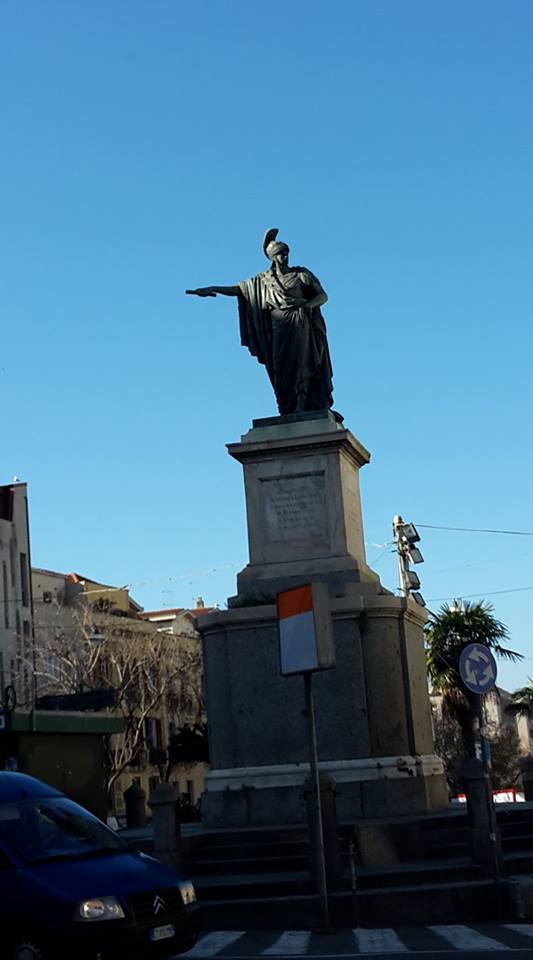
Estatua de Carlo Felice


El 31 de Marzo nosotros, estudiantes de la Universidad Verbum, hicimos un recorrido turístico en Cagliari y mostramos algunos lugares característicos de la ciudad. Nos encontramos en Via Roma y esperamos a algunos turistas. Empezamos el recorrido hacia Piazza Yenne. Ahí los estudiantes del tercer año dijeron algo sobre la estatua de Carlo Felice.


Es una estatua importante para los cagliaritanos, no tanto por la historia de la figura de Carlo Felice sino por las celebraciones del equipo de fútbol de Cagliari, porque cada vez que se celebra algo importante para el equipo la gente pone las banderas sobre  la estatua.
Después proseguimos el itinerario por Via Manno, hicimos una parada enfrente de la Iglesia de S.Antonio Abad, y escuchamos esta audioguía.


Tuvimos también la posibilidad de entrar en la iglesia y admirar la arquitectura y los cuadros como este de la Virgen embarazada. Al final de Via Manno nos paramos enfrente de Piazza Martiri y escuchamos una pequeña explicación oral preparada por los chicos del tercer año.


El techo de la Iglesia de S.Antonio Abad
La entrada de la Iglesia de S.Antonio Abad
              
El monumento a los caidos, Piazza Martiri


La Porta de los dos leones

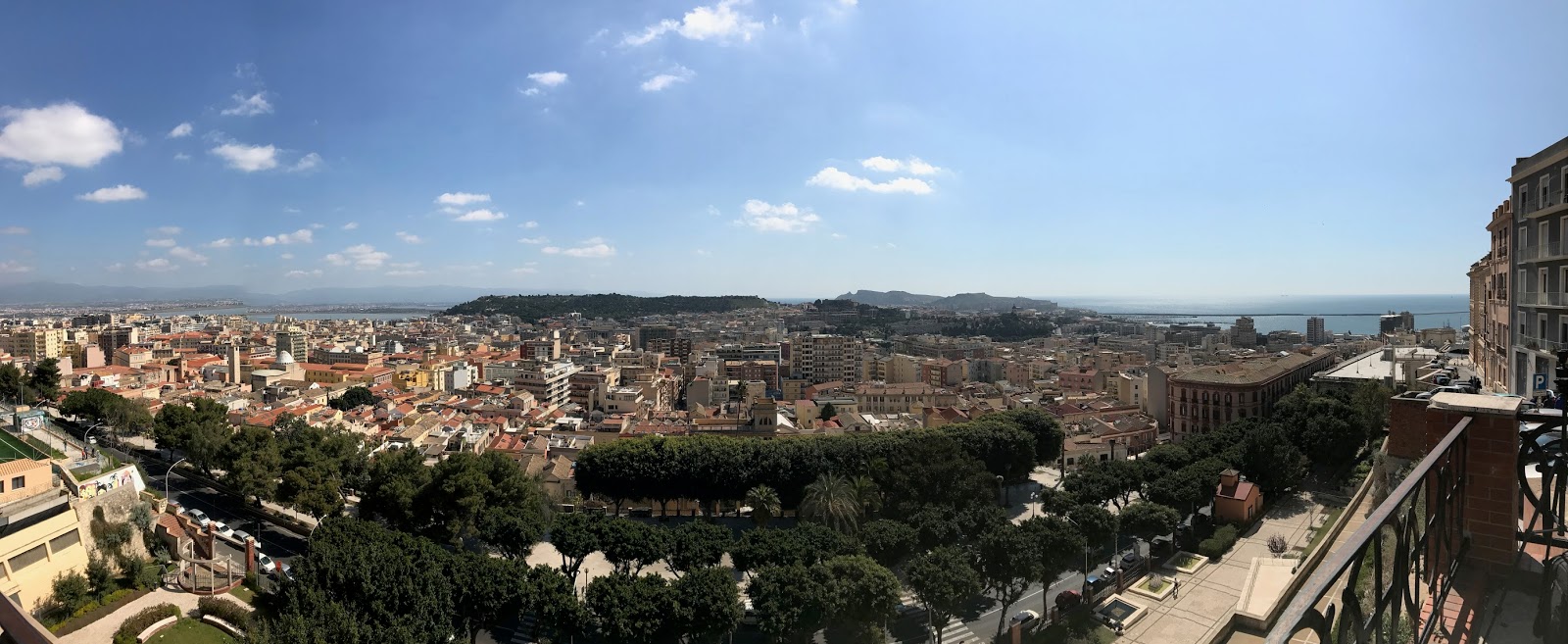
Después de la Puerta de los Dos Leones, llegamos a Via del Fossario, donde observamos el panorama de la ciudad y escuchamos la audioguía sobre la leyenda de la Sella del Diavolo y la descripción de la vista.


Luego fuimos a la Catedral de Santa María donde escuchamos la audioguía sobre la Catedral y descubrimos, gracias a Marcello, un cubo de piedra que se utilizaba para cuantificar el trigo y una fisura puesta a una cierta altura de la torre para medir los tejidos.

3.jpg-large
Catedral de Santa Maria


 A continuación paseamos por el barrio y escuchamos la audioguía sobre el Carro de la muerte.


5.jpg-large
Escuchando la audioguía en el barrio


Sucesivamente hicimos una pequeña pausa café y entrevistamos a los participantes.
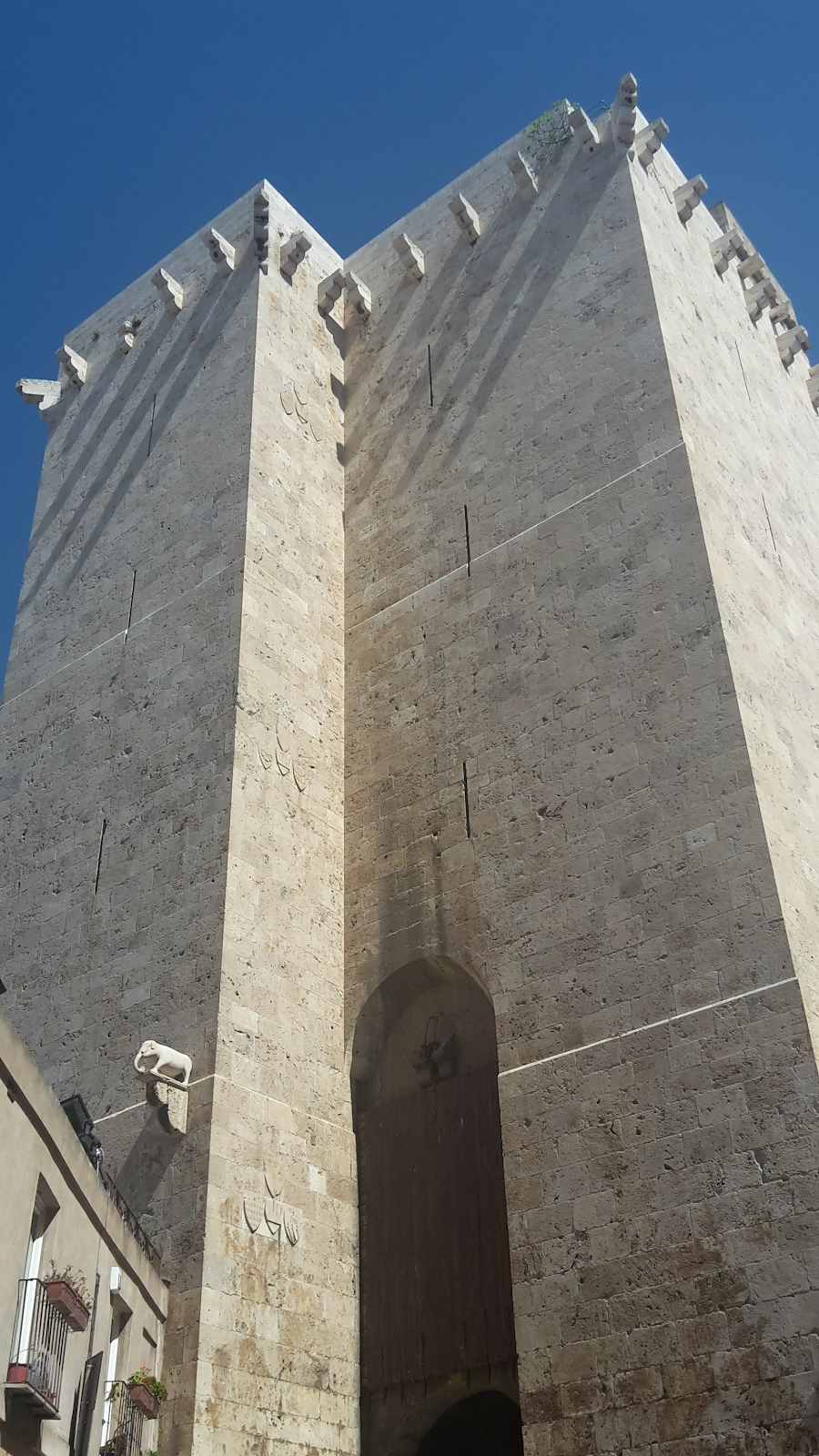
Después llegamos a la Torre dell’Elefante, escuchamos la audioguía y tomamos una foto de recuerdo con todos los participantes en nuestro recorrido, para volver luego a Piazza Yenne.

La Torre dell'Elefante, podéis ver el pequeño elefante a la iziquierda


Foto grupo.jpg